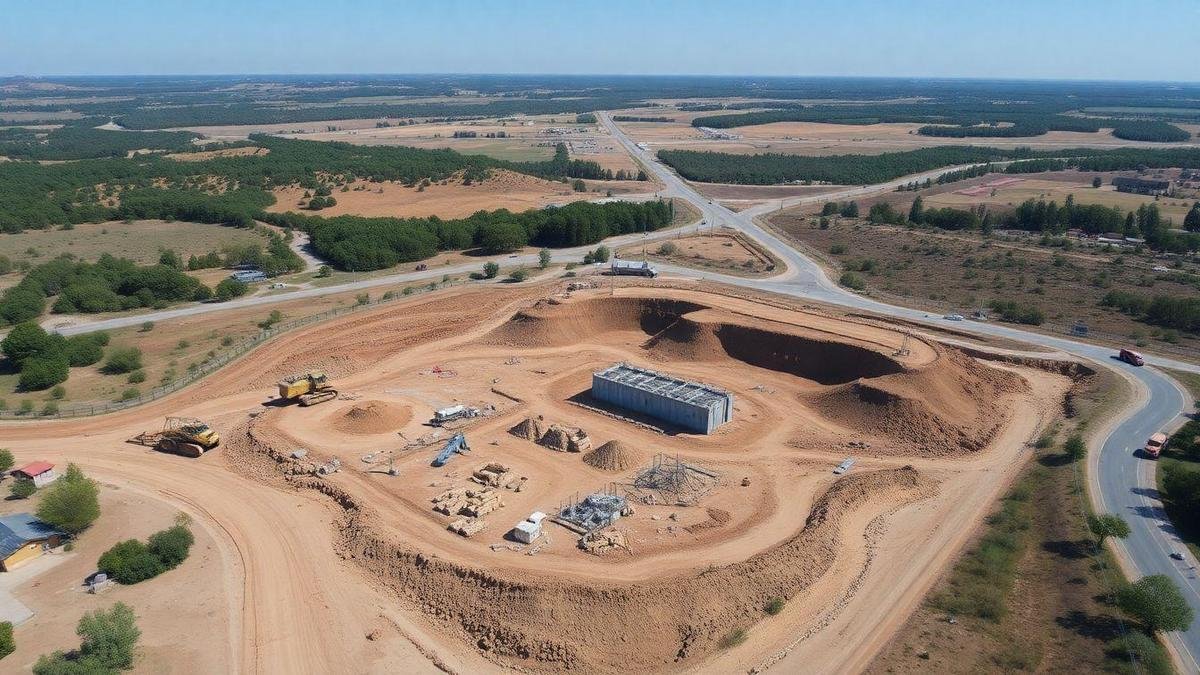
In understanding infrastructure cost in land development, it is crucial to consider various factors that influence these expenses. This article will explore key components such as civil engineering, site development, and the impact of zoning regulations. Readers will gain insights into accurate cost estimation techniques and project financing strategies. Furthermore, the discussion will highlight current trends and innovations that shape the future of infrastructure costs. By navigating these topics, one can better manage and understand the financial aspects of land development.
- Infrastructure costs are important in land development.
- These costs include roads, water, and sewage systems.
- Proper planning helps reduce overall expenses.
- Developers must budget for these costs early.
- Good infrastructure attracts buyers and increases value.
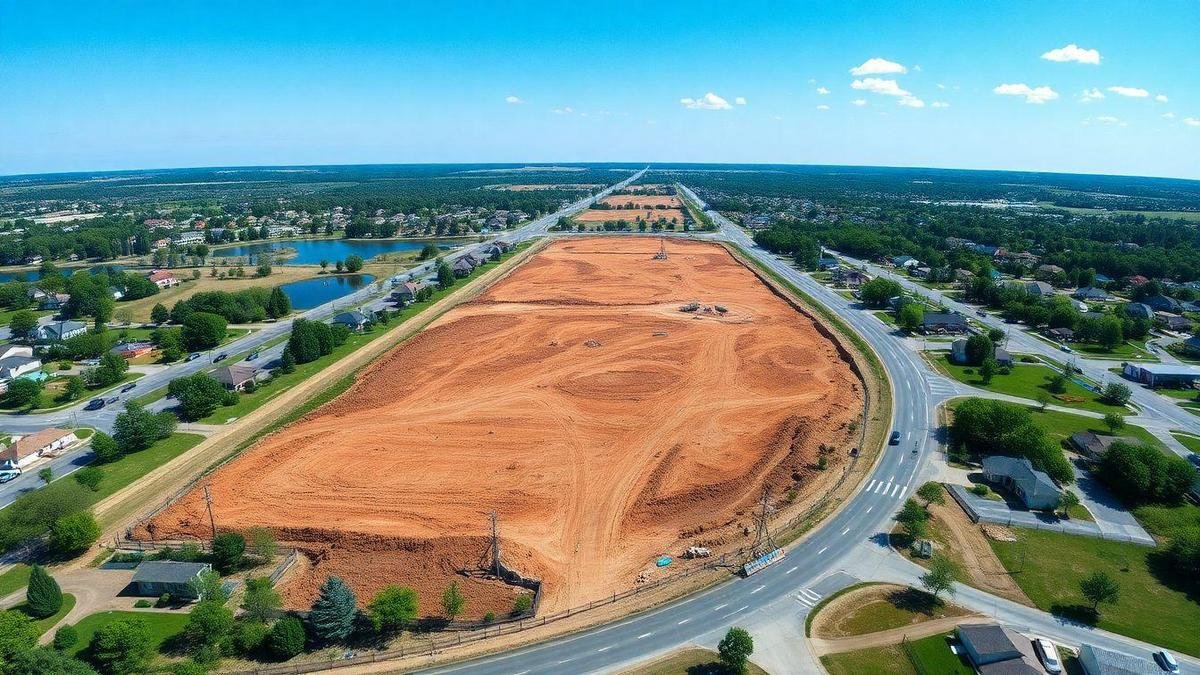
Understanding Infrastructure Cost in Land Development
Key Components of Infrastructure Cost
Infrastructure cost in land development involves several key components. These components are crucial for investors to grasp as they navigate the complexities of their projects. The primary elements include:
- Land Acquisition: The cost of purchasing the land itself.
- Site Preparation: This involves clearing, grading, and preparing the land for construction.
- Utilities Installation: Connecting essential services like water, electricity, and sewage.
- Road Construction: Building access roads and transportation networks.
- Environmental Mitigation: Addressing any environmental concerns or regulations.
Each of these components plays a vital role in determining the overall infrastructure cost in land development. Understanding these elements helps investors make informed decisions.
Factors Influencing Infrastructure Costs
Several factors can significantly influence the infrastructure costs in land development. These factors include:
- Location: Urban areas typically have higher costs due to demand and regulatory requirements.
- Regulations: Local laws and zoning regulations can add to costs. Understanding zoning regulations is key for investors.
- Material Costs: Fluctuations in the prices of construction materials can impact budgets.
- Labor Costs: The availability and cost of skilled labor can vary by region.
- Market Conditions: Economic trends can affect supply and demand, leading to cost changes.
Investors must keep these factors in mind as they plan their developments.
| Factor | Influence on Costs |
|---|---|
| Location | Higher in urban areas |
| Regulations | Can increase expenses |
| Material Costs | Fluctuate based on demand |
| Labor Costs | Varies by region |
| Market Conditions | Affects overall pricing |
Importance of Accurate Cost Estimation
Accurate cost estimation is critical in land development. It helps investors avoid unexpected expenses that can derail projects. A well-prepared budget allows for better financial planning and resource allocation.
For instance, if an investor underestimates the costs for utilities installation, it could lead to delays and increased expenses. This highlights the need for thorough research and planning in the budgeting process.
In summary, understanding infrastructure cost in land development is essential for investors aiming to make sound financial decisions. By considering key components and factors influencing costs, they can navigate their projects with greater confidence.

The Role of Civil Engineering in Infrastructure Costs
Civil Engineering Costs Explained
Civil engineering plays a critical role in determining the infrastructure cost in land development. These costs can vary widely based on several factors, including location, project size, and complexity. Typically, civil engineering costs include:
- Design Fees: Costs associated with planning and designing the project.
- Construction Costs: Expenses related to the actual building process.
- Permitting and Regulatory Fees: Costs incurred to meet local regulations and obtain necessary permits.
- Material Costs: Prices for materials needed for construction, which can fluctuate based on market conditions.
Understanding these components is essential for investors to accurately assess the overall financial landscape of a project.
How Civil Engineering Affects Land Development
Civil engineering impacts land development in various ways. It not only shapes the physical layout of a project but also influences its economic viability. Key aspects include:
- Site Assessment: Engineers evaluate the land to determine its suitability for development. This includes analyzing soil conditions, topography, and environmental factors.
- Infrastructure Design: Effective infrastructure is crucial for accessibility and functionality. Engineers design roads, drainage systems, and utilities to support the development.
- Cost Management: Engineers help in estimating and controlling costs, ensuring that the project remains within budget.
Through these activities, civil engineering sets the stage for successful land development.
The Impact of Engineering on Project Financing
The relationship between civil engineering and project financing cannot be overstated. Investors often rely on detailed engineering reports to secure funding. If the engineering assessments indicate potential issues, lenders may hesitate to finance the project. Conversely, well-planned engineering can enhance investor confidence, leading to better financing terms.
| Factors Influencing Financing | Impact |
|---|---|
| Quality of Engineering Reports | Higher Confidence |
| Accuracy of Cost Estimates | Better Financing Terms |
| Compliance with Regulations | Easier Access to Funds |
In summary, the role of civil engineering in infrastructure costs is significant. It not only dictates the financial aspects of land development but also influences the success of the entire project.
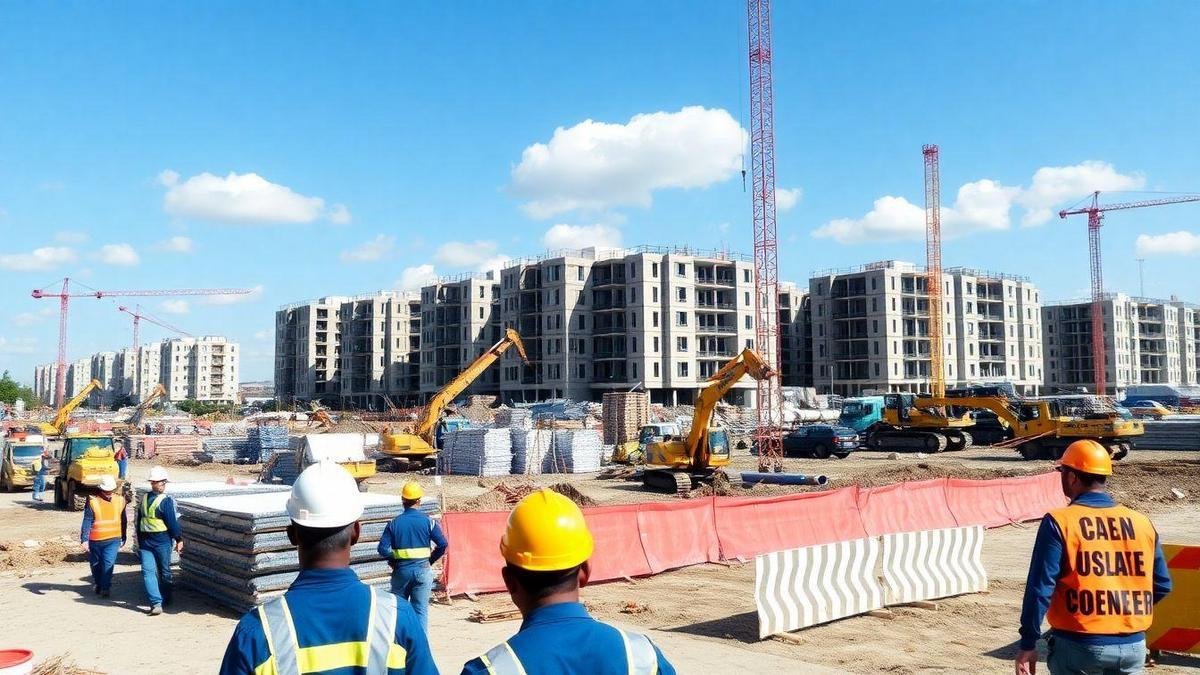
Site Development Expenses and Their Importance
Breakdown of Site Development Expenses
Site development expenses are crucial for any land development project. These costs can be broken down into several key categories:
| Expense Type | Description |
|---|---|
| Land Acquisition | The cost of purchasing the land. |
| Site Preparation | Costs for clearing, grading, and excavation. |
| Infrastructure Costs | Expenses for utilities, roads, and drainage. |
| Permitting and Fees | Costs associated with obtaining necessary permits. |
| Labor Costs | Wages for workers involved in the project. |
| Material Costs | Expenses for construction materials. |
Understanding these expenses helps investors make informed decisions. Each category plays a vital role in the overall success of a project. For instance, infrastructure cost in land development can significantly impact the project’s timeline and budget.
Managing Site Development Costs Effectively
Effectively managing site development costs can be the difference between profit and loss. Investors must keep a close eye on each expense category. They can do this by:
- Creating a Detailed Budget: This budget should outline all anticipated costs.
- Monitoring Expenses Regularly: Keeping track of spending helps identify any overruns early.
- Communicating with Contractors: Open communication can prevent misunderstandings and additional costs.
By actively managing these costs, investors can navigate the financial landscape of land development more smoothly.
Strategies for Reducing Site Development Expenses
Reducing site development expenses is essential for maximizing returns. Here are some effective strategies:
- Negotiate Contracts: Always negotiate with contractors for better rates.
- Use Local Materials: Sourcing materials locally can cut transportation costs.
- Plan for Efficiency: A well-thought-out plan can minimize waste and save time.
- Utilize Technology: Employing project management software can streamline processes.
By implementing these strategies, investors can keep expenses in check while still achieving their development goals.

Zoning Regulations and Their Impact on Costs
Understanding Zoning Regulations
Zoning regulations play a crucial role in land development. They are the rules set by local governments that dictate how land can be used. These rules can limit what can be built and where it can be built. For instance, some areas may be zoned for residential use only, while others may allow commercial or industrial developments. Understanding these regulations is essential for investors, as they can significantly influence the infrastructure cost in land development.
How Zoning Affects Infrastructure Costs
Zoning regulations can directly impact various infrastructure costs. Here are some key areas where costs may increase due to zoning:
- Permits and Approvals: Obtaining the necessary permits can be time-consuming and expensive. Different zones may have different requirements, leading to increased costs.
- Construction Standards: Some zones have stricter construction standards that can raise building costs.
- Utility Access: Areas with limited access to utilities may require additional investments to connect to water, electricity, and sewage systems.
| Zoning Aspect | Impact on Costs |
|---|---|
| Permits and Approvals | Can be costly and time-consuming |
| Construction Standards | May require higher quality materials |
| Utility Access | Additional investment for connections |
Navigating Zoning Regulations for Cost Efficiency
Investors need to approach zoning regulations with a strategic mindset. Here are some tips for optimizing costs:
- Research Local Zoning Laws: Familiarize oneself with local regulations before purchasing land. This knowledge can prevent costly surprises later.
- Engage with Local Officials: Building a relationship with local zoning officials can lead to valuable insights and smoother approval processes.
- Consider Flexible Zones: Some areas may offer mixed-use zoning, allowing for various types of development. This flexibility can lead to lower overall costs.
By understanding and adapting to zoning regulations, investors can better manage their infrastructure costs in land development.

Infrastructure Investment Trends in Land Development
Current Trends in Infrastructure Investment
In today’s fast-paced world, infrastructure investment plays a critical role in land development. Investors are keen to identify opportunities that promise growth and sustainability. Currently, there are several key trends shaping the landscape:
- Public-Private Partnerships (PPP): These collaborations are becoming more common as governments look for funding sources to improve infrastructure.
- Sustainable Development: Investors are increasingly focusing on projects that prioritize environmental health. This includes green buildings and renewable energy sources.
- Smart Technology Integration: The use of technology in infrastructure, such as smart traffic systems and energy-efficient utilities, is on the rise. This trend enhances efficiency and attracts tech-savvy investors.
Future Predictions for Infrastructure Costs
Looking ahead, the infrastructure cost in land development is expected to fluctuate based on various factors. Here are some predictions:
| Factor | Impact on Costs |
|---|---|
| Material Shortages | Likely to increase costs |
| Labor Market Changes | Potentially raises expenses |
| Regulatory Changes | May lead to higher compliance costs |
| Technological Advances | Could lower costs in the long run |
Investors should keep an eye on these factors as they can significantly influence overall expenses.
The Importance of Staying Informed on Investment Trends
Staying informed about investment trends is essential for success in land development. Knowledge allows investors to make strategic decisions. For instance, understanding current trends can help them spot opportunities before they become mainstream. It also helps in avoiding pitfalls that could lead to financial loss.
In summary, being aware of the infrastructure cost in land development and the trends shaping it can lead to better investment choices and long-term gains.

Land Use Planning and Its Cost Implications
The Basics of Land Use Planning
Land use planning is a strategic process that determines how land can be used effectively. It involves assessing the needs of a community and balancing those needs with the environmental, social, and economic factors at play. This planning process can help guide decisions about where to build homes, parks, businesses, and infrastructure.
Key components of land use planning include:
- Zoning Regulations: These rules dictate how land can be used in different areas.
- Environmental Impact Assessments: These evaluations measure how proposed developments might affect the environment.
- Community Involvement: Engaging local residents ensures that their voices are heard in the planning process.
Cost Implications of Poor Land Use Planning
When land use planning is not executed properly, the consequences can be financially severe. Poor planning can lead to:
- Increased Infrastructure Costs: When developments are not well-planned, they can require more extensive infrastructure, like roads and utilities, leading to higher costs.
- Environmental Damage: This can result in costly remediation efforts.
- Decreased Property Values: Areas that are poorly planned may see a drop in property values, affecting investors and homeowners alike.
| Cost Implications | Description |
|---|---|
| Increased Infrastructure Cost | More roads, utilities, and services required. |
| Environmental Damage | Cleanup and restoration efforts can be pricey. |
| Decreased Property Values | Poor planning can lead to lower demand for homes. |
Effective Land Use Planning to Manage Costs
To manage costs effectively, thorough land use planning is essential. Here are some strategies:
- Conducting Comprehensive Studies: Before any development, conducting studies can identify potential issues early on.
- Engaging Stakeholders: Involving the community and other stakeholders can lead to better outcomes and lower costs.
- Utilizing Technology: Modern tools and software can help visualize land use and identify the most cost-effective solutions.
By focusing on these strategies, investors can avoid many pitfalls associated with poor planning and ultimately save money in the long run.

Project Financing Strategies for Infrastructure Development
Common Project Financing Options
When investors delve into infrastructure development, they encounter various project financing options. Each option carries its own set of advantages and challenges. Here are some of the most prevalent methods:
- Debt Financing: This involves borrowing funds from banks or financial institutions. Investors repay the borrowed amount with interest over time. It’s a common choice due to its straightforward nature.
- Equity Financing: In this method, investors use their own capital or seek funds from others in exchange for ownership stakes. This can lead to shared profits but also shared risks.
- Public-Private Partnerships (PPPs): These collaborations between government entities and private investors can help share the financial burden. They often lead to innovative solutions and shared responsibilities.
- Grants and Subsidies: Some projects may qualify for government grants or subsidies. These funds do not require repayment, making them an attractive option for reducing overall costs.
The Role of Financing in Managing Infrastructure Costs
Effective financing plays a crucial role in managing infrastructure costs in land development. It helps investors allocate resources efficiently and keeps projects on track. Proper financial planning can lead to significant savings. For instance, a well-structured financing plan can help avoid cost overruns and delays.
Utilizing a mix of financing options allows investors to balance risks and rewards. By doing so, they can better navigate the unpredictable nature of infrastructure projects. For example, a combination of debt and equity financing can provide the necessary capital while minimizing financial strain.
Tips for Securing Project Financing
Securing project financing is often a challenging task. Here are some valuable tips to help investors navigate this process:
- Develop a Solid Business Plan: A well-thought-out business plan showcases the project’s viability. It should include detailed financial projections and risk assessments.
- Build Relationships with Lenders: Establishing strong connections with banks and financial institutions can open doors. Investors should communicate their vision clearly and present their projects confidently.
- Highlight Potential Returns: Investors should emphasize the expected returns on investment. This can attract lenders and partners who are keen on profitable ventures.
- Leverage Existing Assets: Investors can use their current assets as collateral. This can make it easier to secure loans and reduce interest rates.
- Stay Informed on Market Trends: Keeping up with market trends can provide insights into funding opportunities. Investors should be aware of government programs and initiatives that may support infrastructure projects.

The Importance of Accurate Cost Estimation
Techniques for Cost Estimation
Accurate cost estimation is crucial in land development. Investors often rely on various techniques to gauge expenses. Some common methods include:
- Analogous Estimating: This technique uses data from similar projects to predict costs. It’s like looking at past experiences to guide future decisions.
- Parametric Estimating: This approach uses statistical relationships between historical data and other variables. For instance, if it costs $200,000 to develop one acre, it may cost $2 million for ten acres.
- Bottom-Up Estimating: Here, every single component of a project is estimated. This method is detailed and can provide a clear picture of overall costs.
These methods help investors paint a clearer financial picture before diving into projects.
The Consequences of Inaccurate Cost Estimates
Inaccurate cost estimates can lead to serious setbacks. If an investor underestimates costs, they may face budget overruns. This can cause delays or even project cancellations. Here are some potential consequences:
- Financial Loss: Investors might end up spending more than planned, which can harm their overall returns.
- Reputation Damage: Consistently missing cost targets can tarnish an investor’s reputation, making it harder to secure funding in the future.
- Project Delays: Unexpected costs can halt progress, leading to delays that frustrate stakeholders.
Best Practices for Accurate Cost Estimation
To achieve precise cost estimates, investors should follow best practices. These strategies can help keep projects on track:
- Gather Comprehensive Data: Collect all relevant data about similar projects. This information will provide a solid foundation for estimates.
- Involve Experts: Consulting with professionals who have experience in land development can offer valuable insights.
- Regularly Update Estimates: As project details change, so should the cost estimates. Keeping them current helps avoid surprises.
- Use Technology: Software tools can assist in calculating and tracking costs, making the process more efficient.
- Review and Revise: After project completion, review the estimates against actual costs. This practice helps refine future estimates.
By adopting these practices, investors can minimize risks and enhance their chances of success.

The Future of Infrastructure Costs in Land Development
Innovations Affecting Infrastructure Costs
In the land development sector, innovations play a crucial role in shaping infrastructure costs. New materials, methods, and designs are changing how projects are executed. For instance, modular construction allows for parts of a building to be made off-site and then assembled on location. This can significantly reduce labor costs and time spent on-site.
Additionally, sustainable practices are gaining traction. Using recycled materials or energy-efficient systems not only benefits the environment but can also lead to long-term savings. This shift towards greener solutions is becoming a standard practice in many developments.
The Role of Technology in Cost Management
Technology is a game-changer in managing infrastructure costs. With tools like Building Information Modeling (BIM), developers can visualize projects in detail before any ground is broken. This technology helps identify potential issues early, which can save time and money down the line.
Moreover, data analytics is helping investors make informed decisions. By analyzing trends and patterns, they can better predict future costs and avoid unexpected expenses. This proactive approach is essential for staying competitive in the market.
Preparing for Future Changes in Infrastructure Costs
As the landscape of land development evolves, being prepared for changes in infrastructure costs is vital. Investors should keep an eye on emerging technologies and practices. Here are some steps they can take:
- Stay Informed: Regularly update knowledge on industry trends and innovations.
- Invest in Training: Equip teams with the skills needed to leverage new technologies.
- Build Relationships: Collaborate with experts who can offer insights into cost management.
By taking these steps, investors can navigate the shifting tides of infrastructure costs effectively.
In the End…
Understanding infrastructure costs in land development is paramount for investors aiming to navigate the complexities of their projects. By grasping the key components such as land acquisition, site preparation, and utilities installation, along with the various factors that influence these costs, investors can make informed financial decisions. The importance of accurate cost estimation cannot be overstated, as it serves as the backbone of effective project planning and execution. Furthermore, staying abreast of current trends, including the rise of sustainable practices and technology integration, can provide a competitive edge. As the landscape of land development continues to evolve, those who remain vigilant and adaptable will be better positioned to capitalize on opportunities and mitigate risks. For more insights and articles on this vital subject, readers are encouraged to explore further at Land Development Hub.
Eduardo Bugallo, PhD.
No responses yet